



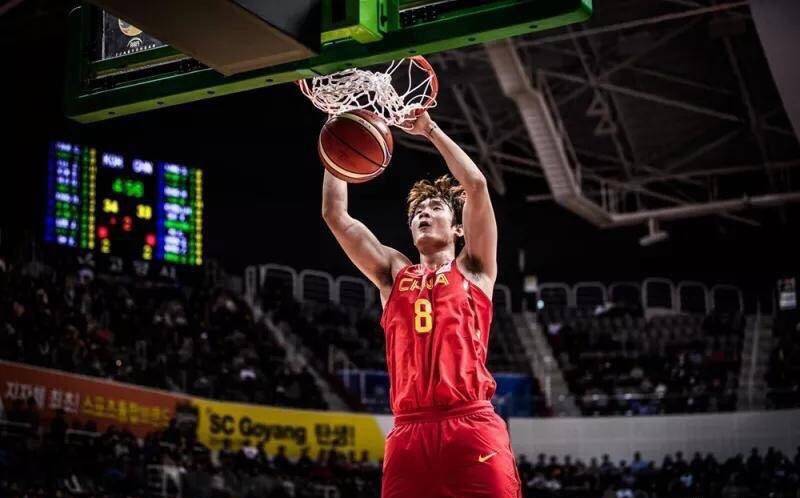
Ding Yanyuhang, what an "exceptional" domestic player.



After the Chinese men's basketball team's repeated setbacks in major international tournaments, a discussion has emerged within the circle: "advanced basketball" versus "outdated basketball."
What is "advanced"?
It refers to the modern style of play that integrates pick-and-roll, perimeter shooting, floor spacing, and fast transitions.
Meanwhile, "outdated" is used to describe the traditional model that overly relies on post-ups, low-post play, and a slow pace.
In recent years, the Chinese team has attempted to shift from an "inside-focused" approach to a system that "combines inside and outside play, emphasizing movement."
For example, finishing as runners-up in the Asia Cup, increasing off-ball screens, and boosting the frequency of transition plays are seen as progress toward modern basketball.
What does Brother Di think?
As an ordinary fan, I'll be blunt: Is playing in the post outdated? What counts as advanced?
Winning is the most advanced; it doesn't matter how you achieve it.
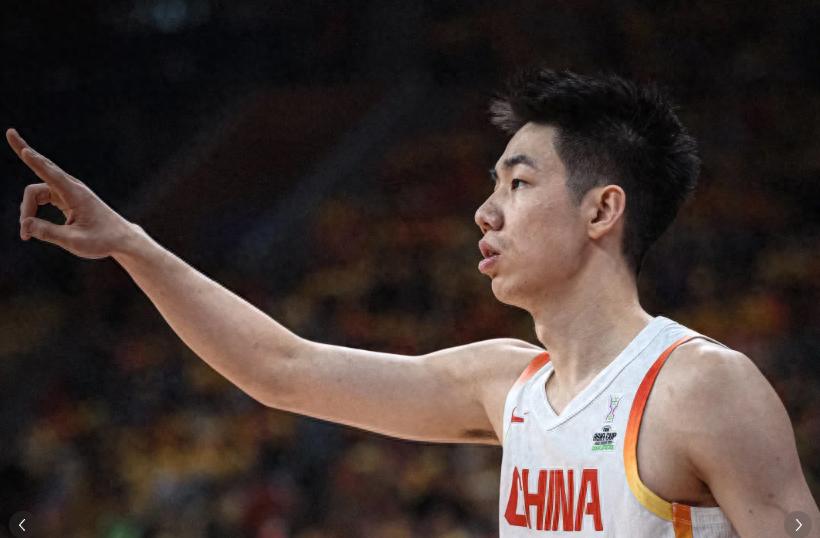
During the match against the provincial team, commentator Yang Yi remarked that the foundation of Chinese men's basketball in Asia is height, starting from the inside.
We all understand this logic.
Yet, we know many truths but still struggle to live by them.
The real issue with this Chinese men's basketball team isn't the choice of playing style—we don't have a choice.
The reason is simple: What you eat for the New Year's feast depends on your family's circumstances and the ingredients you have available.
Why does the Chinese men's basketball team play this way?
It depends on the personnel you have, their style, and skill level.
If we had Yao Ming or Wang Zhizhi, wouldn't we play inside? We could dominate against Kirk or Gao Bokai.
The problem is we currently only have Hu Jinqiu and Yu Jiahao, who aren't at the level to consistently start from the post.
Hu is essentially a power forward, and while Yu has improved, he's still relatively slow.
We've seen the consequences of forcing the ball to Zhou Qi in the post...
So, Coach Guo Shiqiang's approach in these games isn't fundamentally flawed—it's the only option: guard-driven, hoping the players can make their shots.
With low technical skill levels, the team can only limp along.
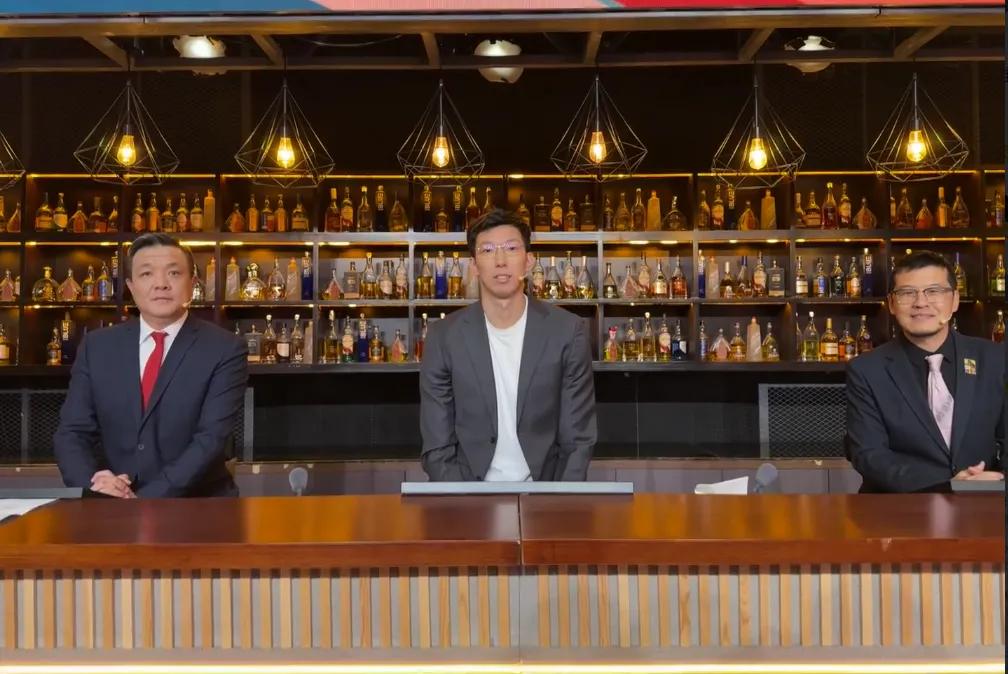
During the match against the provincial team, when Gao Bokai picked up his second foul, it seemed like he might be in foul trouble.
Yet, by the end of the game, he only had three fouls.
Why? Our players lack any real offensive threat.
In other words, even if the referees wanted to help, they couldn't find a reason—you can't draw fouls without driving to the basket and creating contact.
Watching the game, I naturally recalled the name of a former player: Ding Yanyuhang.
What makes him special?
His ball-handling ability is rare among Chinese forwards historically—at the level of an offensive cornerstone who could outshine even CBA imports. Ding combined physicality with driving ability, shooting creativity, and clutch scoring.
Footage of him dropping 30 points to crush South Korea in the 2017 World Cup qualifiers is still widely circulated on video platforms.
If this national team had him, the offense would be much more dynamic.
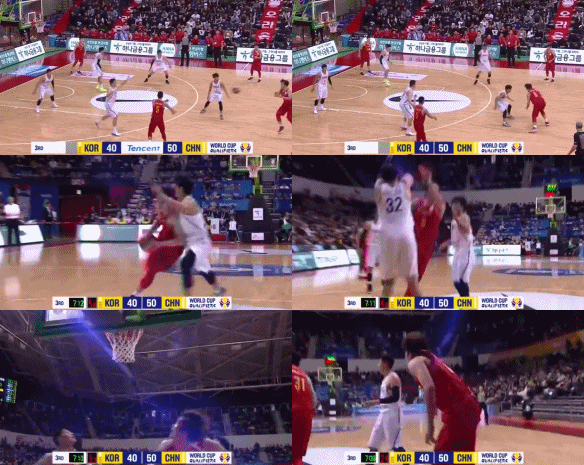
What about current players? Their skill sets are too limited...
Take the forwards, for instance. Gong Xiaobin once pointed out bluntly: Today's forwards over 2 meters tall (like Du Runwang, Zhang Zhenlin) can't exploit mismatches in the post against smaller defenders, making their efficiency in mismatches low.
Zhu Junlong has gained fans this tournament, hailed as the "best domestic 3-and-D player."
But have you considered: What can he do offensively when his outside shot isn't falling?
His issue is almost universal among current domestic forwards.
Does Zeng Fanbo have handles? Does Zhang Zhenlin? Does Cui Yongxi?
Do these players have reliable post-up games?
In short, they lack the ability to create their own shots and score in tough situations, relying instead on being fed the ball and hoping for the best.
Every time I see today's forwards handling the ball, as a fan, it gives me a headache...
No disrespect to Zhu Junlong, but if a player of his mold is our best forward option... imagine the outcome at the World Cup. Those who know, know.
This might not be a perfect analogy: It's like if Rui Hachimura were the Lakers' primary star...
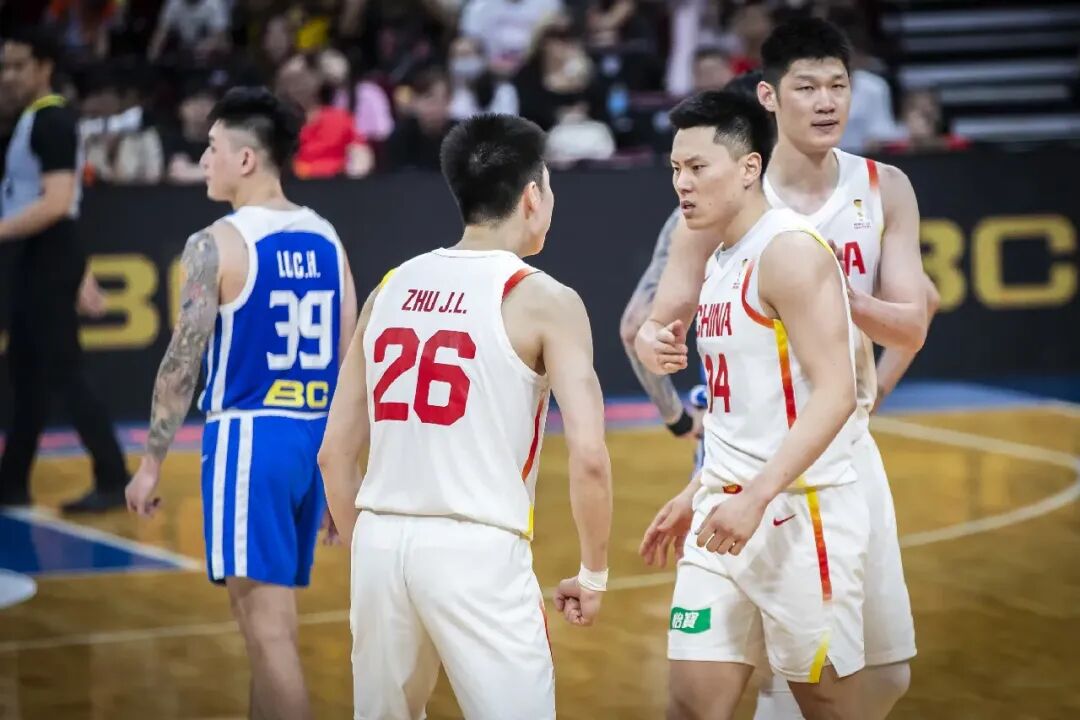
Everyone being a "role player" is surely related to early development and league rules.
The logic behind CBA foreign player selection: get a guard and a big man.
For instance, with Brown and Carlton on Guangsha, the offense runs smoothly, leaving Zhu Junlong mostly spotting up in the corner.
It's the same for other teams—a long-standing phenomenon in Chinese basketball.
So, beyond missing him, I also wonder:
Coming from the same pipeline (CBA, youth system), why is Ding Yanyuhang so unique, such an "outlier"?
Can such a player be replicated under our development model?
I don't have an answer yet.
In basketball, what can't be replicated or explained often boils down to one thing:
Pure, absolute talent!


Wonderfulshortvideo
AND with .6 to spare 🔥


WHAT A SEQUENCE from the @Lakers! 🤩
This Wemby and Ant interaction 🎙️
SHAI FLEW ✈️✈️✈️
VJ showing off some incredible hustle as he ends up diving into the crowd on this possession 😱
What a night of basketball! 🏀 Which play made your jaw drop the hardest? 😱
Luka loses balance, recovers & knocks down a TOUGH fadeaway 3 late in shot clock 🪄
 Links
Links
 Contact
Address:123
Number:+123
E-mali:i123@gmail.com
 App
App